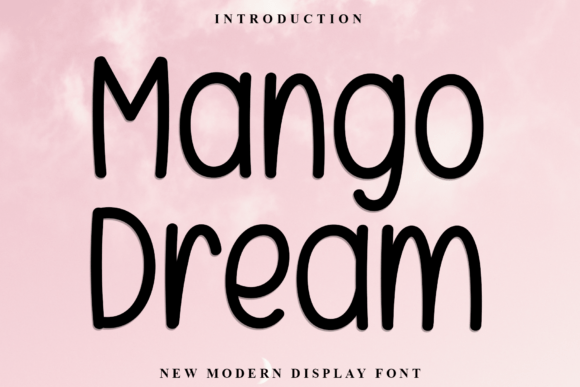
Mango Dream Font: A Handwritten Typeface for Timeless Branding
Finding a typeface that feels both personal and professional can be a real challenge. You want something with character, a font that tells a story, but it also needs to be versatile enough for serious projects. This is the space where the Mango Dream Font operates. It’s a lovely and timeless handwritten font that walks the line between artistic flair and clean usability. If you’re a designer, entrepreneur, or content creator looking for a creative font with real-world application, understanding its strengths is the first step to using it effectively.
More Than Just Pretty Letters
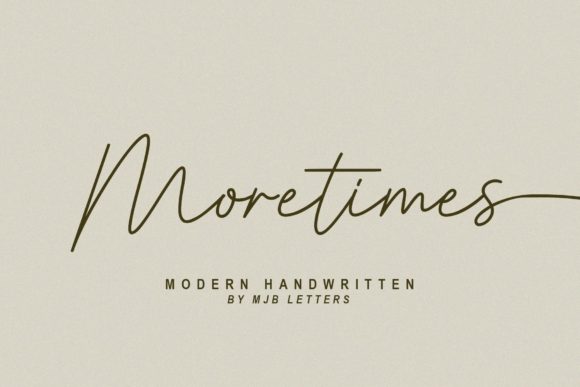
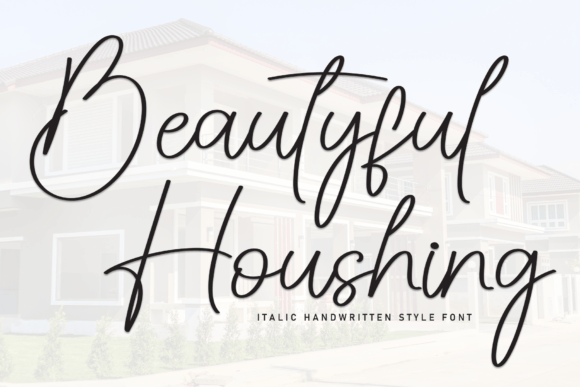
At its core, Mango Dream is a script font with a distinctly organic, hand-lettered feel. Each character is crafted with a natural flow, featuring gentle curves and a subtle baseline variation that mimics real handwriting. This isn't a stiff, formal calligraphy style; it's warmer, more approachable. The letterforms are open and airy, which helps maintain clarity even at smaller sizes—a common pitfall for many decorative fonts. This balance makes it a standout handwritten font for projects where legibility is non-negotiable.
What truly sets it apart is its timeless quality. Some trendy script fonts can feel dated after a season. Mango Dream, however, has a classic appeal. It avoids overly flourished swashes or extreme slants that can quickly become cliché. Instead, its beauty lies in its simplicity and the thoughtful details in each glyph. This makes it a premium font asset that won't lose its charm, allowing your brand identity to feel consistent and relevant for years.
Where Mango Dream Truly Shines
The versatility of Mango Dream is one of its greatest assets. It’s not a one-trick pony limited to wedding invitations. As a display font, it excels in contexts where you need to make an immediate, human connection.
- Logo Design & Branding: This is where Mango Dream often performs best. It’s an excellent choice for logo design for lifestyle brands, boutique shops, wellness coaches, artisanal food products, and creative agencies. The font’s personality helps shape brand perception instantly, suggesting authenticity, creativity, and a personal touch.
- Marketing & Social Media: In the fast-paced world of social media graphics, a distinctive font can stop the scroll. Use Mango Dream for quote graphics, promotional banners, or story highlights to add a layer of warmth and engagement. It pairs beautifully with clean sans serif font for body text, creating a strong visual hierarchy.
- Publishing & Editorial Design: For editorial design, consider using it for chapter titles, pull quotes, or magazine cover lines. In packaging design, it can convey a handcrafted, artisanal quality, especially for products like cosmetics, baked goods, or specialty teas.
- Digital & Web Design: While primarily a display face, Mango Dream can be used sparingly in web design for hero section headers or special announcement banners. Its character adds visual interest without overwhelming a clean interface, especially when used with a more neutral serif font or sans serif font for navigation and body copy.
It’s equally effective for personal projects. Think custom greeting cards, personalized stationery, or craft project labels. The font’s charm translates well across both digital and print mediums, making it a valuable part of any designer’s toolkit of design assets.
Integrating Mango Dream Into Your Workflow
Adopting a new typeface requires more than just liking how it looks. You need to ensure it works for your specific goals. Here’s a practical approach to evaluating and using Mango Dream.
- Evaluate the Project Fit: Start by asking if the font’s personality aligns with your message. Mango Dream’s friendly, approachable vibe is perfect for brands that want to feel personal and trustworthy. It might be less suitable for a corporate law firm seeking an image of stark authority, but it’s ideal for a yoga studio or a children’s book author.
- Master Font Pairing: The key to professional use is pairing. As a script font, Mango Dream needs a stable partner. Pair it with a simple geometric sans serif font like Montserrat or a clean transitional serif font like Lora for body text. This contrast ensures readability while letting the headlines pop. Avoid pairing it with other ornate or handwritten styles, which can create visual chaos.
- Test for Readability: Always test your chosen font in context. Check how it looks at the size it will be used, whether on a business card or a website header. Ensure the spacing between letters (kerning) looks balanced. Because it’s a handwritten font, some letter combinations might need manual adjustment for optimal flow.
- Review Included Styles: Check what’s included with your purchase. Many commercial font packages offer multiple weights (like light, regular, bold) or stylistic alternates. These can provide valuable flexibility for creating emphasis or variation within your designs without needing a second font.
- Understand Commercial Licensing: If you’re using Mango Dream for client work or commercial products, verify the licensing. A proper premium font license should cover both digital and print use, ensuring your brand identity is legally protected across all platforms.
Ultimately, the goal of any typeface is to serve the content and the audience. Mango Dream Font offers a beautiful, human-centered solution for projects that demand a personal touch without sacrificing clarity. By thoughtfully integrating it into your modern typography systems, you can create designs that are not only eye-catching but also cohesive, memorable, and truly effective.